

When Maya first downloaded a free battle‑royale title on her 2022 flagship phone, she expected a casual distraction. Within two weeks she was joining 5‑v‑5 matches, streaming her gameplay on a 6‑inch screen, and earning a modest weekly prize of $25 from a local tournament. Her experience mirrors a broader shift: competitive gaming is no longer confined to bulky PCs or dedicated consoles.
Why Mobile Esports Grew So Quickly
In 2021, the global mobile gaming market surpassed $100 billion in revenue, and the esports segment contributed roughly $2.5 billion—up from $1.2 billion just three years earlier. Two concrete factors explain that jump. First, smartphone penetration hit 71 percent of the world’s population in 2023, according to GSMA, meaning more potential players than ever can access high‑performance hardware without a separate console. Second, 5G rollout reduced latency from an average of 70 ms to under 30 ms in major cities, making real‑time competitive play viable.
Developers responded by optimizing titles for touch controls and shorter match lengths. Games like “Valorant Mobile” and “League of Legends: Wild Rift” now cap matches at 15 minutes, fitting the on‑the‑go lifestyle of commuters and students. The result is a steady influx of new talent who can practice anywhere—from a subway seat to a coffee shop.
Infrastructure Shifts: Tournaments and Sponsorships
Traditional esports venues still dominate the scene, but mobile‑focused events have carved out their own niche. The 2023 Mobile Legends World Championship attracted 350 million live viewers, a figure comparable to the League of Legends final two years earlier. Unlike arena‑based tournaments that require high‑end PCs, mobile events can run on portable stages with just a power strip and a Wi‑Fi router.
- Prize pools: Mobile titles now offer $500,000‑plus in major events, rivaling legacy PC games.
- Sponsorships: Brands such as Red Bull and Samsung are allocating up to 30 percent of their esports budgets to mobile, citing higher ROI on younger demographics.
- Regional qualifiers: Because entry barriers are lower, organizers can host qualifiers in schools and community centers, expanding the talent pipeline.
The logistical simplicity also lowers costs for teams. A professional mobile squad can travel with a single backpack, compared with the $10,000‑plus expense of transporting PCs, monitors, and peripherals for a PC‑based roster.
Challenges That Still Matter
Not every aspect of the transition is smooth. Touchscreen precision remains a contentious issue; a 2022 study from the University of California found that players using a stylus performed 18 percent faster in aim‑based tasks than those using bare fingers. This creates a disparity between players who can afford accessories and those who cannot.
Battery life is another practical hurdle. High‑end phones can sustain a 45‑minute match, but a full‑day tournament may require three or four device swaps, potentially disrupting performance. Organizers mitigate this by providing portable chargers, yet the extra logistics can still affect smaller teams.
Finally, the regulatory environment is uneven. While some countries classify mobile esports under the same legal framework as traditional sports, others treat them as gambling, limiting prize distribution and sponsorship opportunities.
Despite these obstacles, the momentum is undeniable. The convergence of affordable hardware, faster networks, and tailored game design continues to push competitive gaming onto the smallest of screens.
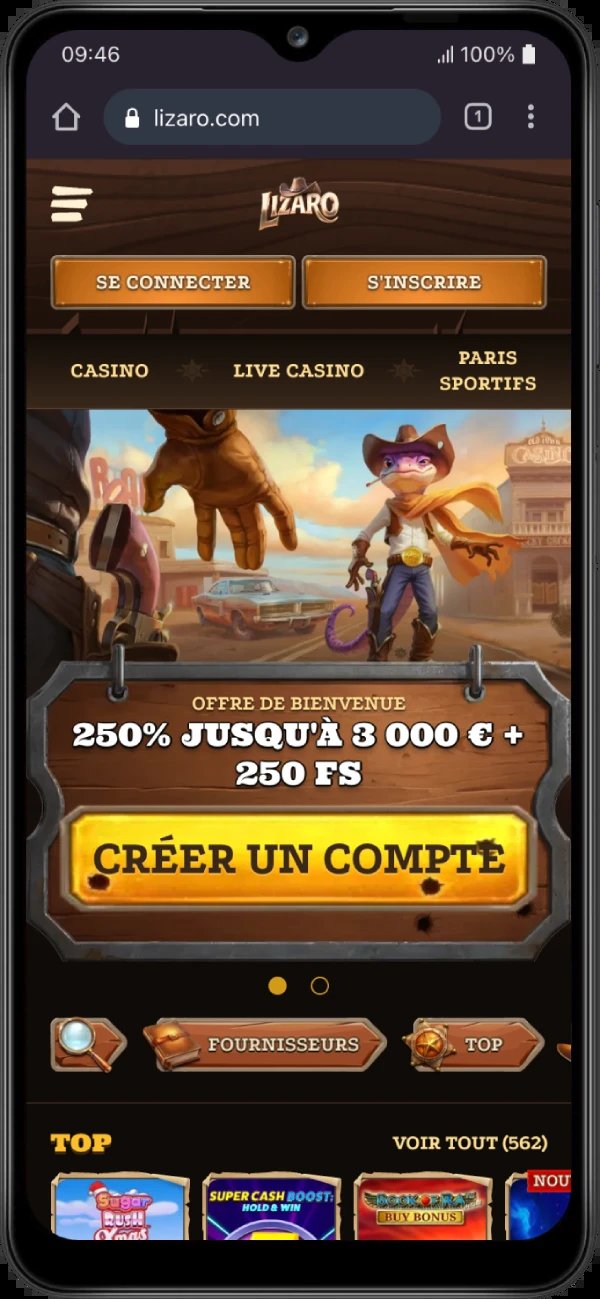
For players who enjoy the blend of quick matches and community interaction, platforms like Lizaro illustrate how online gaming ecosystems can complement the mobile esports surge, offering tools for streaming, team management, and fan engagement all from a phone.
What the Future Holds
Looking ahead, expect three developments to shape the next wave. First, augmented reality will likely merge with mobile esports, allowing players to project holographic avatars onto real‑world environments. Second, cloud gaming services such as Nvidia GeForce Now are already delivering console‑grade titles to phones, meaning we may soon see “Call of Duty” or “Fortnite” tournaments run entirely on mobile data connections. Third, the rise of regional leagues in Africa and Southeast Asia suggests that talent discovery will become even more decentralized.
In short, the portable nature of mobile esports is democratizing competition. Whether you’re a student in Nairobi, a commuter in Seoul, or a retiree in São Paulo, the arena is now in your pocket.
Frequently Asked Questions
What makes mobile esports popular among gamers?
Mobile esports offers accessible, affordable competition with instant streaming, low barrier to entry, and prize opportunities on smartphones.
How do mobile esports tournaments differ from PC/console events?
They often use cloud servers, smaller team sizes, quick match times, and are played on phones, allowing global participation without travel.