


Understanding Luck: A Major Concept in Gambling
Luck has long been a central theme in the world of gambling, particularly in casinos where players often attribute their wins and losses to this elusive force. The perception of luck plays a crucial role in how gamblers approach games, influencing their strategies and decision-making processes. Many players believe that a lucky streak can lead to significant payouts, especially when using platforms like neosurf australia casino where opportunities abound, while others might feel cursed when faced with a string of losses. This psychological aspect can be compelling, as it fosters a concentrated focus on chance rather than strategical gameplay.
However, the reality is more complex. Most games are designed based on mathematical probabilities and odds, which determine the likelihood of winning or losing. For example, in slot machines, while players may feel that hitting a jackpot is driven by luck, the outcome is actually a result of random number generators. This dichotomy between the perceived control exerted by luck and the raw statistics behind games can often lead to misconceptions about how gambling truly operates.
Furthermore, the belief in luck can lead players to engage in behaviors such as superstitions or rituals, which they think will enhance their chances of success. Touching a lucky charm, wearing specific colors, or avoiding particular seats at a table are common practices among gamblers. While these behaviors provide a psychological boost, they do little to affect the actual odds. Understanding the limitations of luck in gambling is crucial for players who wish to participate responsibly and realistically in casino gaming.
The Role of House Edge in Casino Games
One significant aspect that often overshadows discussions about luck in casino gambling is the concept of the house edge. This term refers to the mathematical advantage that casinos have over players in various games, ensuring that, over time, the house will always come out ahead. The house edge varies depending on the type of game and can significantly affect a player’s overall experience and profitability. For example, games like blackjack generally have a lower house edge compared to others like slots, which can lead to longer-term losses for players.
The house edge is instrumental in dispelling the myth that luck alone dictates success in gambling. Many players enter the casino believing they can rely on sheer luck to overcome this built-in advantage. However, established strategies and an understanding of game mechanics can mitigate losses and even maximize winnings. Knowledge of the odds and having a play strategy are far more effective than relying solely on luck, suggesting that informed gambling leads to improved outcomes.
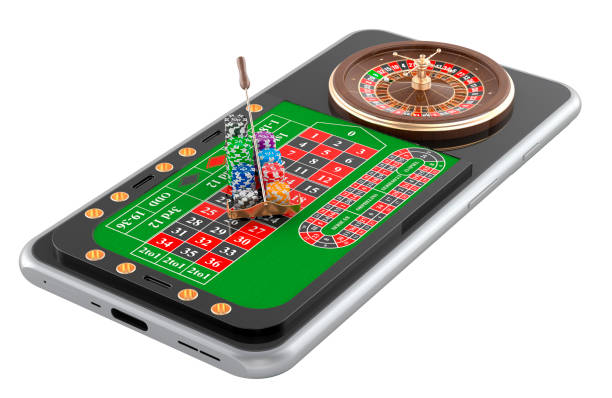
While luck may affect short-term results, understanding the house edge highlights the importance of approaching casino games with a strategic mindset. Players who grasp the intricacies of the games they participate in, while acknowledging the unavoidable house edge, can balance their expectations. This approach not only makes gambling more enjoyable but also fosters a more responsible attitude toward gaming, steering players away from the pitfalls of luck-based thinking.
Common Myths About Luck in Casino Gambling
Numerous myths circulate within the gambling community, often perpetuated by anecdotes and personal experiences. One widespread belief is that streaks of wins or losses will influence future outcomes, commonly referred to as the “gambler’s fallacy.” Many players mistakenly think that if a game has seen several losses in a row, it is “due” for a win, leading to poor betting decisions based on faulty logic. This notion neglects the fundamental principle of independent events, particularly in games of chance.
Similarly, another myth revolves around the idea of “hot” and “cold” machines in slot games. Players may believe that a particular machine is on a winning streak, prompting them to invest more time and money into it. Conversely, if they perceive a machine to be “cold,” they may avoid it. However, each spin is determined by random outcomes, and any perceived pattern is simply an illusion. This can lead to wasted bets and frustration, as players chase after the myths rather than focusing on strategies based on sound knowledge.
Additionally, the belief that some players possess a unique ability to predict outcomes or have a “lucky touch” contributes to the mythos surrounding luck in gambling. While personal anecdotes of miraculous wins may circulate, they do not provide statistical grounding. These myths can encourage irresponsible gambling practices, as players invest in luck instead of honing their skills or making informed decisions. Seeking to debunk these myths can empower players, leading to more sustainable and enjoyable gambling experiences.
The Psychological Impact of Luck on Gamblers
The concept of luck can have profound psychological effects on gamblers, often leading them to develop emotional attachments to their gambling experiences. For many, winning feels exhilarating and reinforces the belief in their personal luck, which can create a cycle of behavior that is hard to break. Conversely, persistent losses may lead to feelings of frustration or despair, contributing to a negative emotional state that affects their overall well-being. Understanding these psychological implications is essential for any gambler looking to maintain a healthy relationship with betting.

Moreover, the irrational belief in luck can lead to problem gambling behaviors. Individuals may continue to gamble in hopes of reversing losses, mistakenly believing that their luck will eventually change. This pattern can diminish their ability to make rational decisions, blurring the line between leisure and obsession. Recognizing the role of luck in their gambling approach can help individuals become more self-aware and seek support if they notice their gambling habits becoming detrimental.
Ultimately, managing expectations around luck can promote a healthier mindset towards gambling. By understanding that luck is just one element of the overall gambling experience, players can focus on developing skills and strategies. This shift can not only bolster their financial awareness but also enhance their enjoyment of games in a responsible manner. The key lies in fostering a balanced approach that appreciates both luck and informed decision-making.
Empowering Gamblers: Knowledge is Key
In conclusion, while luck plays a role in casino gambling, it is essential to recognize that it should not be the sole basis for strategy or expectations. Empowering players through education about game mechanics, probabilities, and the house edge can foster a more informed approach, allowing them to navigate the casino landscape with greater awareness. Understanding that luck is a fleeting factor can help mitigate the risks associated with gambling and enhance the overall experience.
Players should be encouraged to seek out resources that offer knowledge and insights into the games they enjoy. This includes tutorials, strategy guides, and discussions that provide clarity on how luck intersects with skill and strategy. Emphasizing education within the gambling community can demystify the myths surrounding luck while promoting responsible gaming behaviors.
Ultimately, a balanced perspective on luck can lead to a more enjoyable and sustainable gambling experience. By integrating knowledge with the unpredictable nature of luck, gamblers can cultivate a healthier approach that ultimately enhances their entertainment and minimizes risks. Remember, while luck may occasionally shine down, it is the informed player who truly navigates the casino successfully.